
Strategic and service-driven executive certified in Name, Image & Likeness, with deep experience in contract management and negotiation, compliance oversight, student athlete and family engagement, operational leadership, and financial management.


NIL Compliance & Athlete Services Strategist

Guidance to understand NIL opportunities, protect your interests, and make informed decisions.

Clear education and support to help families navigate NIL agreements and opportunities.

Compliance-focused guidance and operational support for athletic departments and programs.

Strategic support for responsible NIL partnerships that align with athletes and institutions for long-term success.

Support with NIL and Revenue Sharing contract negotiation, deal management, deliverables, and compliance guidance.

Guidance on NIL matters related to NCAA, institutional, athletic department, conference, College Sports Commission, and NIL Go requirements.

Support with NIL contract structure, creation, negotiation, review, and execution.

Educational support that empowers student-athletes and families to understand NIL opportunities and responsibilities.

Strategic guidance for athletic departments, universities, and programs navigating NIL policy, education, and compliance.

Support for building responsible NIL opportunities that align athletes, brands, schools, and community stakeholders.

Executive-level guidance rooted in regulatory compliance, operational leadership, stakeholder alignment, and risk mitigation.
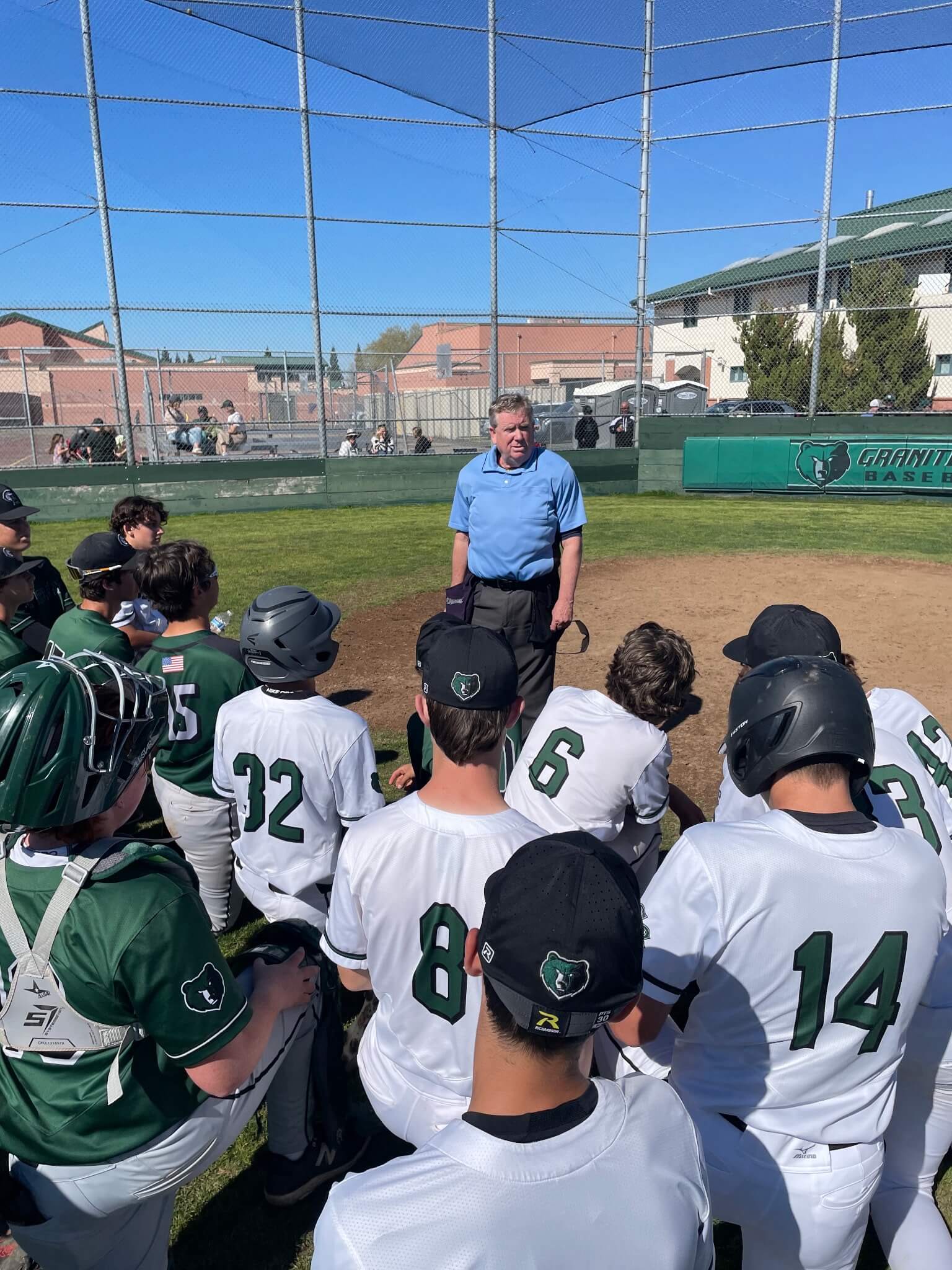
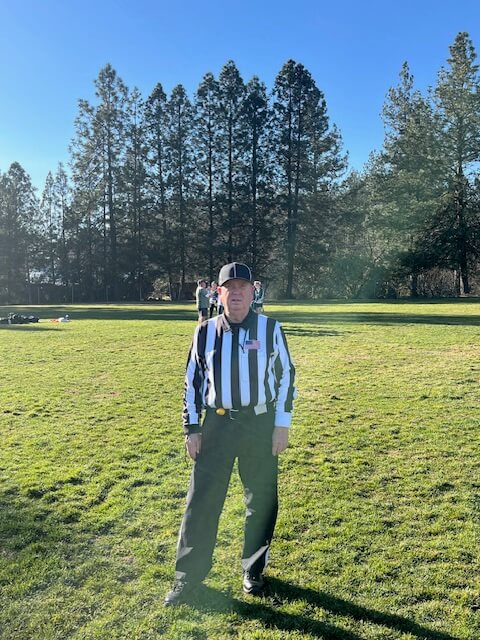
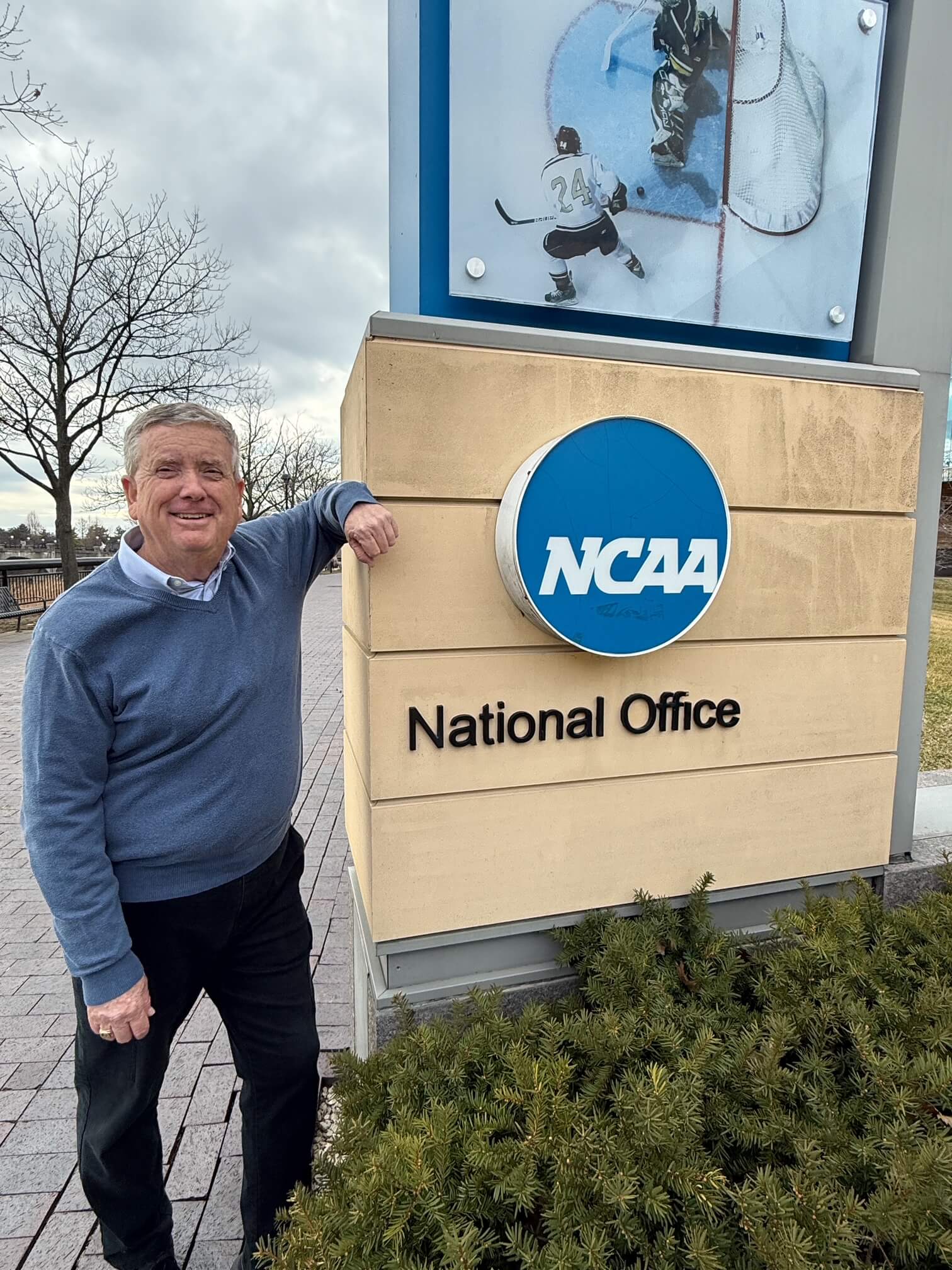
Johnnie’s passion for sports extends beyond strategy and compliance. His experience in officiating, athletics, and sports leadership continues to shape his practical, people-first approach.
Supporting athletes through leadership, structure, and real-world sports experience.
Decades of officiating and sports involvement built on fairness, preparation, and accountability.
Connecting NIL, athletics, compliance, and institutional leadership through trusted relationships.
Follow Johnnie’s latest NIL insights, sports leadership updates, and educational content for athletes, families, and organizations.
NIL stands for Name, Image, and Likeness. It refers to a student-athlete’s ability to be compensated when another party uses their identity, personal brand, reputation, or publicity rights for a legitimate commercial purpose.
Common NIL activities include social media promotions, appearances, autograph sessions, camps and clinics, brand endorsements, commercials, licensing, and other promotional partnerships.
NIL compensation can take an athlete’s reputation and athletic prominence into account, but under current NCAA rules, NIL cannot simply be disguised pay-for-play or an improper recruiting or retention inducement. There should be an actual use or “activation” of the athlete’s NIL associated with the compensation.
Revenue sharing is the system that allows participating Division I universities to provide compensation directly to student-athletes, separate from traditional third-party NIL deals.
This system became permissible following approval of the House settlement. Schools may decide how to allocate their available revenue-sharing pool among their athletes and sports, subject to applicable rules and legal requirements.
For the first year of the system, 2025-26, the maximum benefits pool was approximately $20.5 million per school. For the 2026-27 academic year, that figure has increased to approximately $21.3 million. The amount is designed to increase over the life of the settlement.
An important distinction is:
Revenue sharing = compensation coming from the university.
Third-party NIL = compensation coming from an outside business, collective, organization, or individual in exchange for legitimate NIL activity.
An athlete may potentially receive both.
The House settlement is the landmark settlement of the House v. NCAA, Hubbard v. NCAA, and Carter v. NCAA antitrust cases. It received final court approval on June 6, 2025 and fundamentally changed the financial structure of Division I college athletics.
The settlement has several major components. It provides approximately $2.78 billion in back damages to eligible former and current college athletes over a 10-year period and permits participating Division I schools to directly share revenue with current student-athletes. It also established new roster-limit rules and a new regulatory structure for certain third-party NIL transactions.
The settlement also led to the creation of the College Sports Commission (CSC) as the entity responsible for implementing and enforcing important portions of the new system. Division I third-party NIL transactions of $600 or more generally must be disclosed through NIL Go, the NIL reporting and review platform.
In simple terms, the House settlement created the framework for today’s system in which athletes can receive direct institutional compensation while continuing to pursue legitimate third-party NIL opportunities.
The College Sports Commission’s Range of Compensation (RoC) is a method used to evaluate whether compensation in certain third-party NIL agreements is reasonably consistent with what similarly situated individuals would receive for comparable commercial activity.
It is important to understand that there is not one fixed NIL pay scale saying, for example, that a football player may receive $10,000 for a post or a basketball player may receive $25,000 for an appearance.
Instead, the CSC evaluates the circumstances surrounding the deal. Factors can include the athlete’s social media reach, athletic performance and prominence, the market reach of the athlete’s institution or program, the specific NIL rights and deliverables being purchased, the local market, and other market benchmarks.
As of July 1, 2026, an important new threshold applies: associated-entity NIL deals valued from $600 through $15,000 generally are not subjected to Range of Compensation review unless the student-athlete exceeds $50,000 in total associated-entity NIL compensation during that academic year.
That does not mean deals under $15,000 are automatically exempt from NIL rules. Deals of $600 or more remain subject to NIL Go reporting requirements, and associated-entity transactions must still satisfy the valid business purpose requirement.
The key distinction is:
$600 = NIL Go reporting threshold.
$15,000 = current general RoC review threshold for an individual associated deal.
$50,000 = current academic-year aggregate threshold that can trigger RoC review of associated deals that otherwise fall below $15,000.
The purpose of the RoC analysis is ultimately to determine whether the NIL payment represents legitimate commercial compensation for the athlete’s NIL rather than an attempt to use an outside entity to circumvent institutional revenue-sharing limits or other NIL rules.

NIL Compliance & Athlete Services Strategist
©2026 Johnnie Perkins. All Rights Reserved.
Proudly created by Catchy Marketing